
The Golden Truth: Fresh vs. Dry Turmeric for Your Dosha
- Sandy Chana

- Dec 29, 2025
- 3 min read
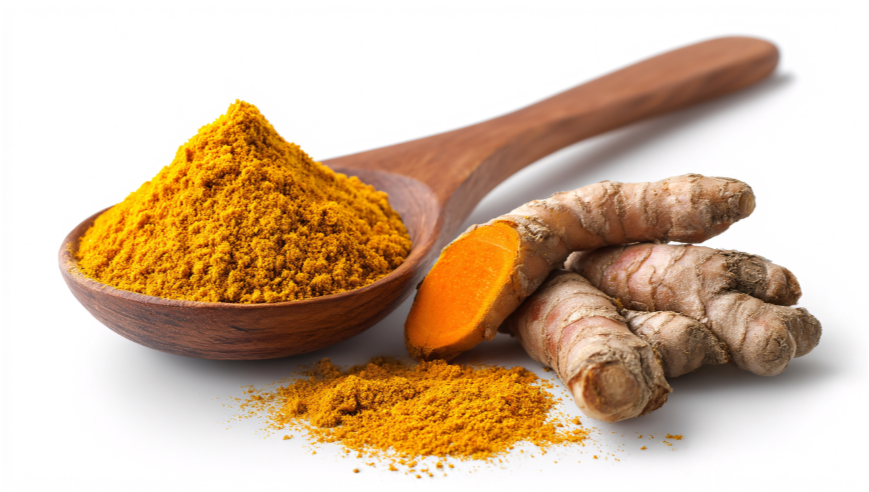
If you’ve ever walked into a health food store and stared at the knobby, fresh turmeric root next to the bright orange jars of powder, you’ve probably wondered: “Which one is actually better for me?”
In Ayurveda, Turmeric (known as Haridra) is a "Tridoshic" powerhouse—benefiting all three doshas.
However, the form and temperature you choose can be the difference between feeling grounded and feeling "dried out" or jittery.
1. Fresh Turmeric: The Living Root
Fresh turmeric is the raw rhizome. It contains the plant’s natural moisture and volatile essential oils (turmerones) often lost during industrial drying.
The Vata Edge: Because it contains its own juice, it is less "drying" (Ruksha) than powder.
Pros: High in protective oils, easier on the digestive fire (Agni), and has a bright, citrusy flavor.
Cons: Lower curcumin concentration by weight (it's mostly water) and a short shelf life.
2. Dry Turmeric Powder: The Concentrated Healer
This is the root that has been boiled, dried, and ground. It is far more "scraping" in nature.
The Vata Warning: Powder is highly concentrated and drying. If you are Vata-dominant, too much dry powder without a "buffer" can lead to internal dryness or gas.
Pros: High curcumin levels, convenient, and excellent for "scraping" toxins (Ama) out of the body.
Cons: Highly heating (Ushna) and drying. Must be balanced with fats.
3. The Temperature Debate: Hot vs. Cold
This is where most people get it wrong. In Ayurveda, the temperature of your drink is just as important as the herb itself.
Hot/Warm Consumption (The Ayurvedic Gold Standard)
Ayurveda almost always recommends consuming turmeric warm.
Why Hot: Heat "unlocks" the plant. Simmering turmeric (fresh or powder) in a liquid for 10 minutes increases its solubility and makes the curcumin easier for your body to absorb.
+1
Vata Benefit: Warmth is the primary antidote to Vata’s cold nature. A warm turmeric drink soothes the nervous system and supports steady circulation.
+1
Cold Consumption (The Vata "No-Go")
Why Cold is Risky: Turmeric is naturally "bitter" and "astringent." In Ayurveda, these two tastes are cold and drying.
The "Wet Blanket" Effect: Adding turmeric to a cold smoothie or iced drink acts like a "wet blanket" on your metabolic fire. For a Vata person, this can lead to bloating, poor absorption, and a feeling of being "un-grounded."
Pitta Exception: Only high-Pitta types (those who run very hot) should consider room-temperature turmeric water, and even then, never "iced."
4. Capsules vs. Whole Food
Many reach for 95% curcuminoid capsules for a "quick fix." Here is how that potency impacts the Doshas:
Feature | Capsules (Extracts) | Fresh / Dry Powder |
Vata Impact | Caution: High-dose "isolates" can be too "sharp" for a sensitive nervous system. | Best: Grounding when mixed with warm milk/fats. |
Pitta Impact | Caution: Extremely heating; can trigger acidity. | Good: Safe in moderation. |
Kapha Impact | Great: The "scraping" action clears mucus and boosts metabolism. | Good: Excellent for daily detox. |
5. Bioavailability: The "Golden" Rule
Regardless of the form, turmeric is fat-soluble. To actually absorb it, you need two partners:
A Healthy Fat: Ghee or coconut oil. This "grounds" the herb and carries it into your tissues.
Black Pepper: Increases curcumin absorption by up to 2,000%.
Final Thoughts
We aren't just what we eat; we are what we absorb. If you’ve been feeling "wired but tired" or notice you’re extra dry, look at how you’re taking your turmeric. Switch to fresh, keep it warm, and always add a healthy fat. Your Dosha will thank you!
Sandy Chana!


Comments